

Historian Carl Chinn reveals the ‘wicked individuals’ inspiring the actual Peaky Blinders of 1890s Birmingham and how the family was just as brutal as the BBC drama. Share Article Share Article Facebook X LinkedIn Reddit Bluesky Email Copy Link Link copied Bookmark

Add us as preferred source Comments
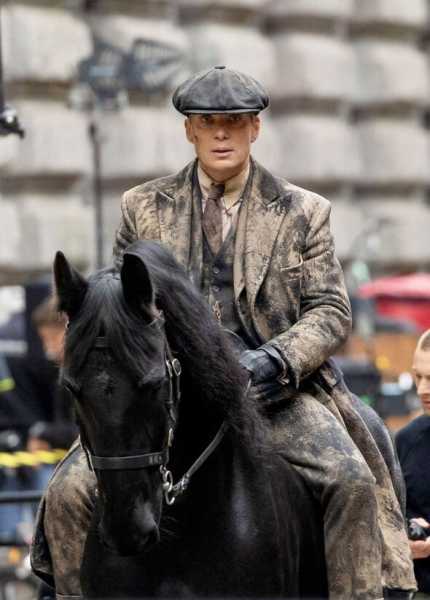
With the arrival of the Peaky Blinder’s film ‘The Immortal Man’ on Netflix, viewers are pondering the obvious question – is there any authenticity to the tale of Tommy Shelby?
The answer is complicated. Beyond the allure and savagery of the Shelby family, as depicted by Cillian Murphy, is an authentic Birmingham family who found themselves caught up in a sinister criminal network.
Article continues below ADVERTISEMENT
The bleak, intense post-war series unfolds in the alleyways of 1920s Birmingham.
However, the made-up characters reflect a truth that is just as spectacular, fierce, and captivating as the BBC programme, now a Netflix film.
Historian Carl Chinn delved into the genuine story behind the popular show, according to Birmingham Live.
Article continues below ADVERTISEMENT
READ MORE: ITV to broadcast ‘powerful’ factual crime programme on a murderer’s ‘disturbing fixation’
READ MORE: Netflix viewers ‘devastated’ as streamer previews ‘next level’ factual crime doc
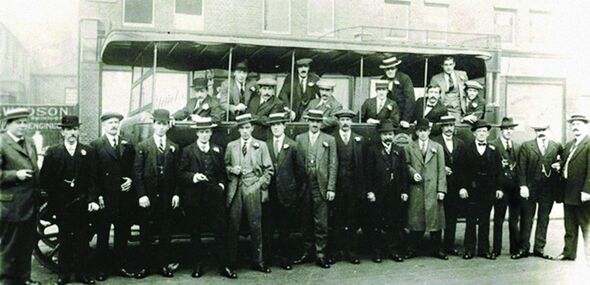
“With its mesmerising cinematography, compelling performances, and sensational title, the Peaky Blinders series on BBC2 grabbed the attention of audiences and critics in the autumn of 2013,” Carl stated. He commenced researching these infamous Birmingham gangs in the 1980s.
Article continues below ADVERTISEMENT
Carl elaborated: “Stylish yet grim, it was situated in the back streets of Birmingham following the First World War and recounted the ascent to dominance of Tommy Shelby and his outlaw gang of Peaky Blinders.
“Elegantly dressed, they were named for the weapon they deployed in brawls: the peaks of their flat caps into which had been stitched safety razors and which were swiped across the foreheads of their adversaries, causing blood to cascade into their eyes and obscure their vision.”
Regrettably, Carl’s research showed it is very improbable these offenders ever inserted razor blades in their caps and that their name simply pertained to their choice of headgear. “It’s genuinely fascinating to examine the mythologized interpretation of the narrative and the reality,” said Carl, who has penned a new book titled The Real Peaky Blinders.
“There was no actual Tommy Shelby, and the Peaky Blinders existed in the 1890s, yet the series is set in the 1920s.
“Regarding the razor blades? They were only beginning to arrive from the 1890s and were a high-end item, far too costly for the Peaky Blinders to have utilised.
“And any tough guy would inform you it would be exceedingly challenging to gain direction and force with a razor blade stitched into the soft section of a cap. It was a fanciful idea originating in John Douglas’s novel, A Walk Down Summer Lane.
“But I can appreciate why the series creators employed the name because it’s synonymous with gangsterism.
“And I’m delighted the strong female figures are a prominent aspect of the programme. I believe the majority of working-class men were nurtured by powerful women.
“The series is enthralling and exquisitely filmed. It has garnered national acclaim and done wonders for Birmingham.”
Carl believes the allusions to Birmingham establishments like the Garrison and companies such as BSA assist in crafting a convincing sense of location within the fast-moving, gripping storyline.
His investigation indicates the Peaky Blinders were followed by a significant pre-war gang known as the Brummagem Boys, comprising a “disorganised group of pickpockets, racecourse fraudsters, and nuisances who were acquiring considerable power”.
By the 1920s, when the TV series takes place, a group termed The Birmingham Gang surfaced, with many having originated from the Brummagem Boys. They progressed to become the most dreaded gang in the nation.
“My book isn’t about the series; it’s about the actual individuals behind the tale, and their narrative is as dramatic, compelling, and gory as the series,” he added.
The Birmingham Gang was headed by a fearsome gangster named Billy Kimber, a former Brummagem Boy who went on to become the most influential gangster in England.
In the TV series, gang leader Tommy Shelby is haunted by the first world war, but Carl doesn’t think the war had such an effect on the likes of Billy Kimber.
“Billy Kimber deserted during the war,” explained Carl.
“Although he and others in the gang may have been scarred by the war, they were primarily violent men before the war. The conflicts they engaged in were brutal.
“Kimber was a very astute man with combat skills, a captivating nature, and a keen awareness of the importance of an alliance with London.”
While examining these notorious gangsters, Carl corresponded with author Graham Greene to enquire about the research he conducted for his renowned book Brighton Rock.
Carl added: “In a letter he penned to me in 1988, he conveyed that “my novel Brighton Rock does indeed address something akin to the Sabini gang, but I’ve now forgotten any details I might have known when I wrote it.
“In those days, I frequented Brighton often and once spent an evening with a gang member who introduced me to some slang used and took me to one of the gathering spots of his fellow gangsters. However, the specifics are beyond recollection and would be of no use to you.
“I thought it was very considerate that he invested the time to reply to a young researcher. I was rather humbled by that.”
During his investigations, Carl discovered numerous relatives of gang members knew little about their ancestors’ criminal activities, solely because such subjects were never discussed.
“Many gang members remained silent about it as they aged, often feeling ashamed of their youthful actions,” he stated.
“In writing the book, I’m not condoning this behaviour. It’s not about idealising it because, in reality, it was savage.
The latest science news from the natural world, health, tech and beyond and more Subscribe Invalid email
We use your sign-up to provide content in ways you’ve consented to and to improve our understanding of you. This may include adverts from us and 3rd parties based on our understanding. You can unsubscribe at any time. Read our Privacy Policy
“Many national newspapers become frantic about gang conflicts, but it’s vital to recall they were nothing akin to the American mafia.
“These aren’t commendable people, but I believe it’s a narrative that warrants telling.”