

in News
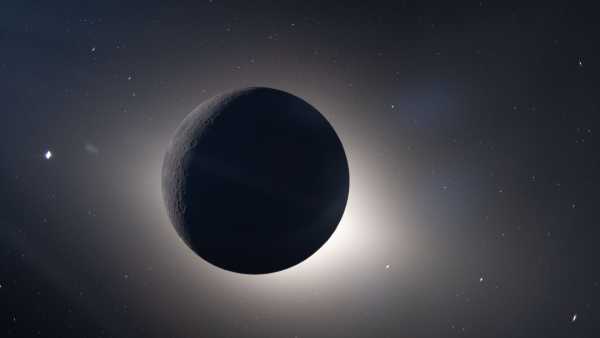
A photo of the solar eclipse seen by the Artemis II astronauts.(Image credit: NASA)Share this article 0Join the conversationFollow usAdd us as a preferred source on GoogleSubscribe to our newsletter
For ten days in April, the Artemis II crew embarked on a record-setting voyage around the far side of the moon and returned. Much like any group of companions on an extensive spring break journey, the astronauts captured an abundance of images — over 12,000, to be precise.
We’ve already had the chance to see some of these photographs, ranging from a seldom-seen perspective of the moon’s far side during a solar eclipse to striking images of our planet receding behind the lunar horizon. This past weekend, however, NASA made a substantial addition to its public archive of astronaut photography, uploading thousands more images. The complete Artemis II gallery is accessible here.
Knock, knock
(Image credit: NASA)
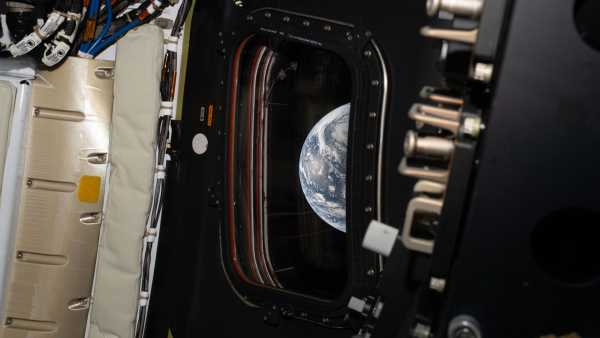
Who is peering in through the Orion capsule’s window? It’s essentially every person alive at that moment (with the exception of those aboard the International Space Station at the time). These shots, featuring the spacecraft’s interior and windows, have become immensely popular online, emphasizing the extraordinary circumstances undertaken by four courageous individuals to provide us with these unique perspectives.
Sun-kissed moon
(Image credit: NASA)
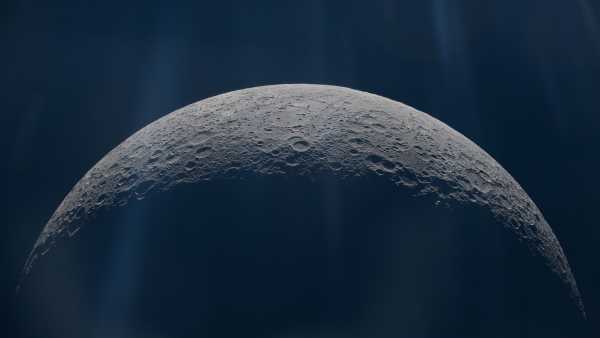
Sunbeams descend upon the moon, reflecting off the Orion capsule’s window as the crew captures a rapid series of photographs during their lunar flyby on April 6. At their closest approach, the astronauts were just 4,067 miles (6,545 kilometers) from the lunar surface, affording them an exceptional vantage point to observe the entire moon from various angles.
Crater close-up
(Image credit: NASA)
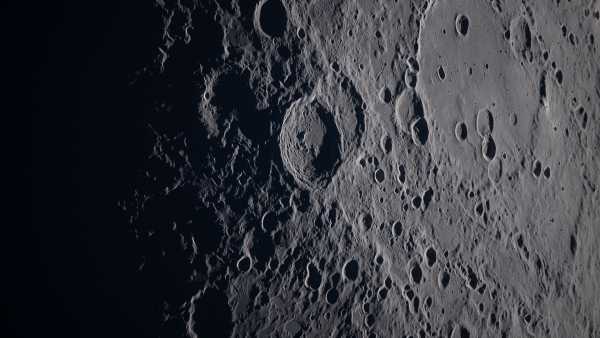
Significant, overlapping impact craters are visible in striking detail as the team nears the moon’s terminator—the boundary separating the illuminated and shadowed portions of the lunar surface. Within this high-contrast zone, the crew observed several instances of light flashes caused by errant space rocks.
Farewell, Earth
(Image credit: NASA)
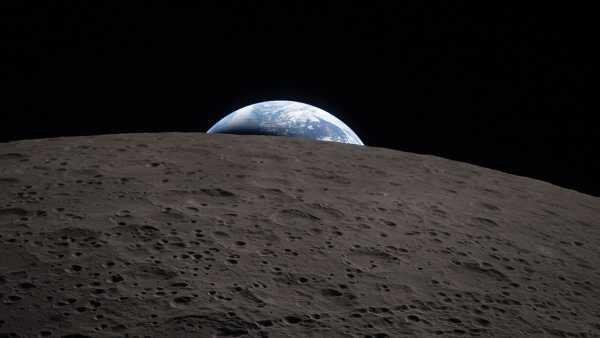
While circumnavigating the far side of the moon, the Artemis II crew captured some instantly iconic photographs of Earth descending beyond the lunar horizon. This alternative perspective displays one of the final moments before our pale blue dot vanished from view, just barely visible above the moon’s edge.
Earthset through the glass
(Image credit: NASA)
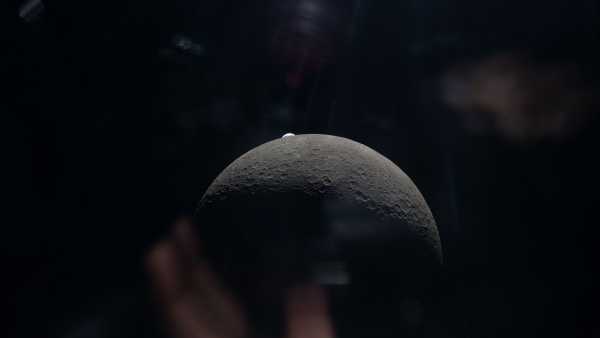
This is the same scene of Earth’s final descent, but this time, a portion of the Orion spacecraft’s window is visible, complete with glare and reflections. It serves as a poignant reminder that behind these breathtaking images were four companions navigating the vastness of space within a capsule comparable in size to a camper van.
Mountains of the moon
(Image credit: NASA)
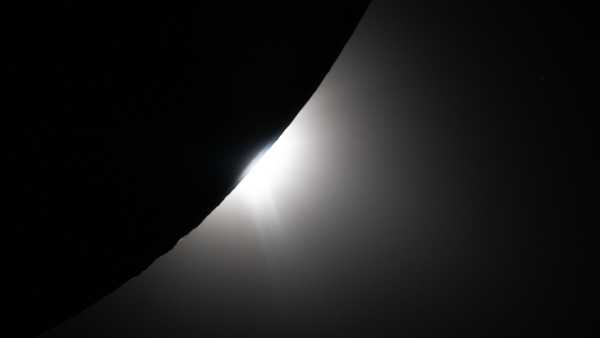
As the crew traversed the far side of the moon, they witnessed a rare total solar eclipse from the vantage point of space. Just before the sun’s final rays yielded to complete darkness, brilliant white light from the solar corona (its outer atmosphere) pierced the horizon, illuminating the rugged mountainous terrain at the moon’s edge.
End of the eclipse
(Image credit: NASA)
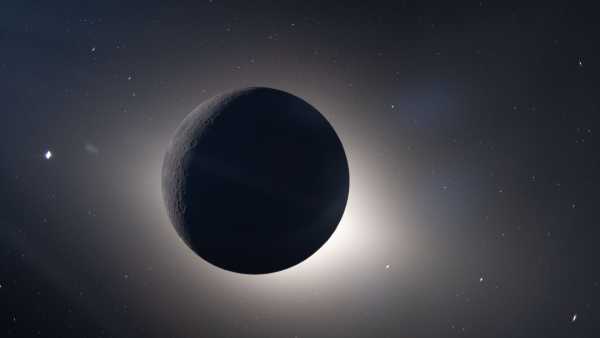
After forty minutes of silence and darkness, the crew emerged from behind the moon. The illuminated side of the moon reappeared, while zodiacal dust—fine particles scattered throughout the solar system—reflected sunlight in the distance.
Parts unknown
(Image credit: NASA)
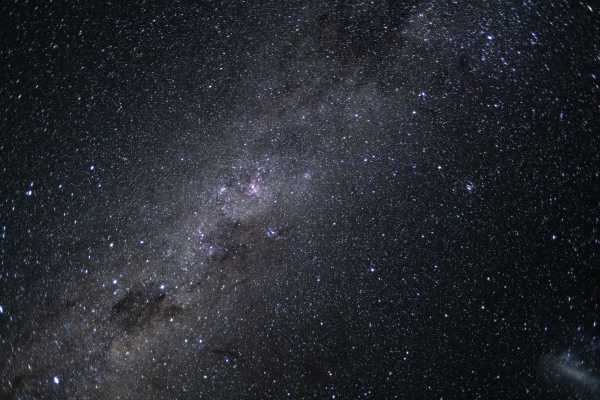
On their trajectory to and from the moon, the Artemis II crew members also had the opportunity to photograph the Milky Way, unhindered by the Earth’s ambient light. The most densely populated and star-filled section of our galaxy is displayed, resembling the views frequently captured by space telescopes like Hubble.
Say, “the moon is made of cheese”
(Image credit: NASA)
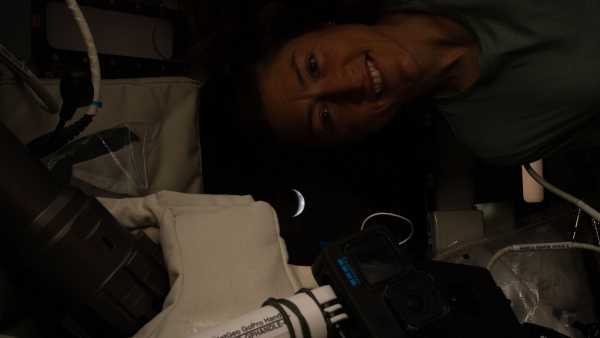
Koch offers a smile for a portrait, with Earth visible as a slender crescent outside the Orion capsule’s window.
Cheshire Earth
(Image credit: NASA)
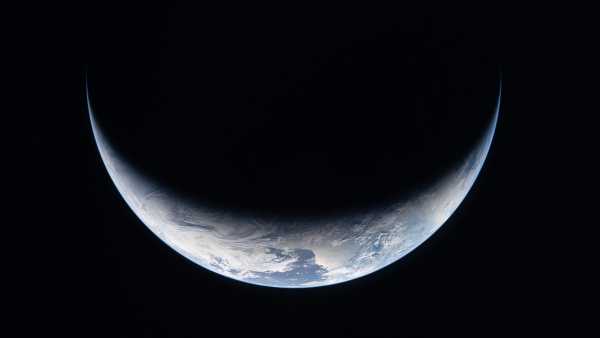
The sunlit portion of Earth hangs like a smile on an unseen face as the astronauts conclude their lunar journey and begin their return to the Pacific Ocean.
Earth, the moon and the astronaut
(Image credit: NASA)
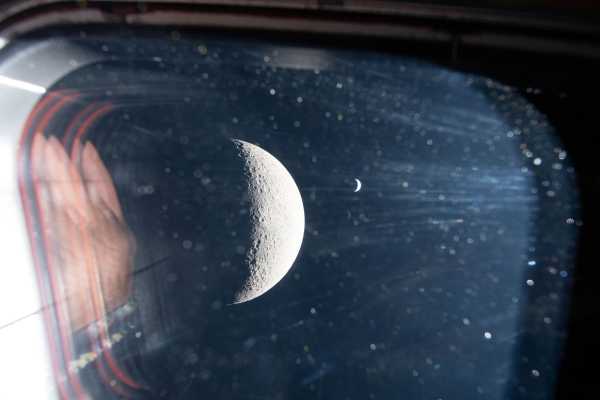
In another view captured through the window, interplanetary dust adheres to Orion’s glass as a reflection of one of the astronauts appears in the frame alongside the moon and a crescent Earth.
Come round again sometime
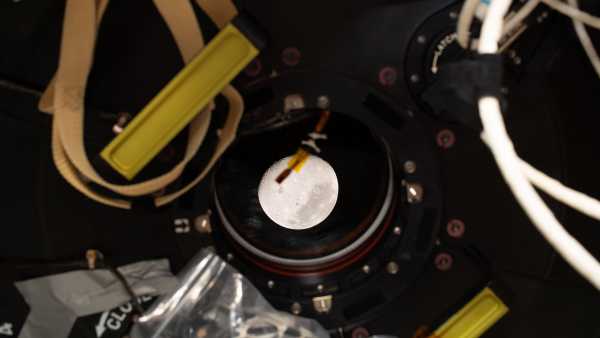
(Image credit: NASA)
The moon is perfectly framed within a circular viewport on the Orion capsule as the crew begins their approach.
Artemis II has concluded, but these images will provide valuable data for scientists for years to come, as NASA gears up to send humans back to the moon—this time, to the surface—as early as 2028.
Are you a devotee of NASA? Test your knowledge with our Artemis quiz to see how well you perform!
TOPICS
Sourse: www.livescience.com