In References

PMOS, previously known as PCOS, is frequently linked to an accumulation of immature eggs in the ovaries.(Image credit: The Washington Post/Getty images)Share this article 0Join the conversationFollow usAdd us as a preferred source on GoogleSubscribe to our newsletter
Polyendocrine metabolic ovarian syndrome (PMOS), formerly referred to as polycystic ovary syndrome (PCOS), is a prevalent hormonal condition affecting females. This disorder has extensive impacts on the body, influencing metabolism, skin, hair, and mental well-being, and can sometimes complicate conception, according to the Mayo Clinic.
PMOS affects more than 170 million individuals of reproductive age globally, including up to 12% of women of reproductive age in the U.S.
PMOS is characterized by elevated levels of androgens, a classification of sex hormones that encompasses testosterone. It is often associated with resistance to insulin, a hormone crucial for regulating blood sugar. The condition can manifest with a spectrum of symptoms, such as irregular menstrual cycles, excessive weight gain, increased hair growth, and acne.
Numerous individuals with PMOS also present with underdeveloped eggs, termed “arrested follicles,” which line the outer periphery of their ovaries. These were previously identified by physicians as cysts. However, the designation of “cysts” was imprecise, as individuals commonly mistook them for pathological noncancerous ovarian cysts, which can rupture, lead to pain or bleeding, and occasionally necessitate surgical intervention.
The misplaced emphasis on so-called polycystic ovaries, which are neither essential nor sufficient for diagnosis, contributed to the official renaming of PCOS on May 12, 2026.
What causes PMOS?
The exact origin of PMOS is unknown to scientists, and it is likely multifactorial, as stated by Dr. Marie Menke, a reproductive endocrinologist at the University of Michigan Health, in an interview with Live Science.
One potential cause is the overproduction of specific sex hormones by the ovaries, including testosterone and anti-Müllerian hormone, as previously reported by Live Science. This hormonal imbalance may consequently trigger many of the other symptoms, suggesting that the underlying driver of excessive hormone production is key. However, the reason why certain ovaries produce surplus sex hormones remains unclear. Advances in developing more accurate laboratory models of the ovaries could provide insights into these questions.
RELATED STORIES
- Malaria drug may treat root cause of PCOS, early study hints
- Endometriosis messes with the immune system and causes ‘ripple effects across the body’
- ‘Useless’ female organ discovered over a century ago may actually support ovaries, study finds
Obesity and insulin resistance — the body’s diminished capacity to effectively utilize insulin — might also contribute to the onset of PMOS. Nonetheless, whether these conditions are a cause or an outcome of PMOS has been a subject of ongoing discussion. Some research has indicated that prenatal exposure to elevated androgen levels in the womb may predispose individuals to developing the syndrome later in life.
Genetic factors also play a role: PMOS often appears to be hereditary, meaning individuals with family members affected by PMOS have a higher likelihood of developing it themselves. Furthermore, people with a family history of type 2 diabetes are also more prone to developing PMOS, according to the World Health Organization.
PMOS and pregnancy
Symptoms of PMOS typically emerge in early puberty and some symptoms may persist through and after menopause. Many individuals discover they have the condition in their twenties and thirties, often when experiencing difficulties conceiving. PMOS can impede the ability to become pregnant without fertility treatments because elevated androgen levels hinder the maturation of follicles into viable eggs capable of release and subsequent embryonic development, as per the U.S. Office on Women’s Health (OASH).
For those aspiring to conceive, a variety of treatment options are available, including fertility medications such as clomiphene (also marketed under the brand names Clomid and Serophene) or gonadotropins, like follicle-stimulating hormone or luteinizing hormone, as detailed by the OASH. Metformin, a medication used for type 2 diabetes, can also be employed to encourage ovulation.

Oral contraceptives can be beneficial in managing certain PMOS symptoms.
(Image credit: Olena Malik via Getty Images)PMOS symptoms
As per the OASH, PMOS may encompass the following indicators and manifestations:
- Infertility: Individuals with PMOS experience irregular ovulation, thereby reducing their opportunities for conception annually.
- Infrequent, irregular, or absent menstrual cycles.
- Hirsutism, characterized by excessive hair growth on the face, chest, abdomen, thumbs, or toes, likely attributable to elevated androgen levels.
- Ovaries that are enlarged or contain numerous arrested follicles.
- Acne or oily skin, also likely a consequence of elevated androgens.
- Weight gain or obesity.
- Male-pattern hair loss or thinning hair, another symptom linked to excess androgens.
- Acanthosis nigricans: Thickened, darkened skin patches typically found on the neck, arms, breasts, or thighs.
- Skin tags, which are small, excess flaps of skin often found in the armpits or neck region.
Diagnosis and tests for PMOS
Diagnosing PMOS can be complex due to the significant variability in symptoms, Menke noted. Moreover, many of these symptoms are nonspecific, meaning they are not exclusive to PMOS.
To receive a PMOS diagnosis, a patient must exhibit at least two of the three primary symptoms outlined below, according to Menke:
Irregular menstrual cycles: Infrequent, irregular, or absent periods stem from a lack of ovulation. For instance, an individual might experience fewer than nine periods annually or have unpredictable cycle timing.
Elevated androgen levels: Androgen levels that are higher than the normal range.
Polycystic ovaries: This finding is identified via ultrasound. However, it is important to note that some individuals with PMOS have ovaries that appear normal, and conversely, some women with ovarian cysts (fluid-filled sacs) may not have PMOS.
Complications of PMOS
PMOS has been associated with several other health conditions, including:
- Metabolic syndrome: A cluster of risk factors for heart disease, stroke, and diabetes, which occurs twice as frequently in individuals with PMOS compared to the general population, according to the American Academy of Family Physicians.
- Type 2 diabetes: Over half of individuals diagnosed with PCOS develop diabetes by the age of 40, as reported by the Centers for Disease Control and Prevention.
- Cholesterol abnormalities, such as elevated LDL (“bad”) cholesterol and reduced HDL (“good”) cholesterol levels, which can heighten the risk of heart disease.
- Hypertension (high blood pressure), which can adversely affect the heart, brain, and kidneys.
- Sleep apnea, characterized by temporary cessation of breathing during sleep.
- Anxiety or depression.
- Gestational diabetes or high blood pressure during pregnancy.
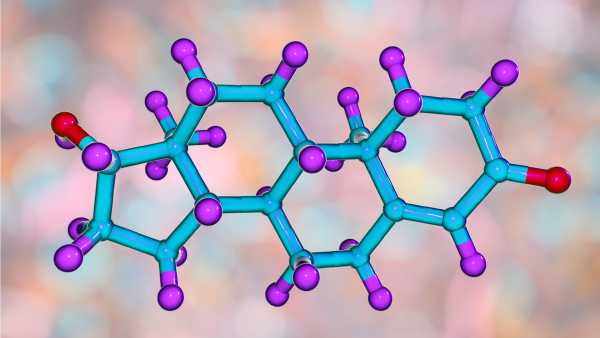
Excessive androgen levels, such as testosterone (depicted above), are considered a hallmark of PMOS.
(Image credit: KATERYNA KON/SCIENCE PHOTO LIBRARY via Getty Images)Treatment and medications for PMOS
Addressing all PMOS symptoms simultaneously can be challenging, according to Menke. Consequently, she typically prioritizes the patient’s primary concern and tailors the treatment accordingly. For instance, if excessive hair growth is the main issue, Menke usually prescribes oral contraceptives, which can help lower androgen levels.
Various treatment options exist to help manage PMOS symptoms, Menke stated. According to the Mayo Clinic, treatment strategies may include the following:
- Oral contraceptives: These medications, containing either a combination of estrogen and progestin or progestin alone, can regulate menstrual cycles, reduce androgen production, and improve acne.
- Progestin hormone therapy: This can also help regulate menstrual periods. (Note: It does not function as a contraceptive.)
- Fertility medications: These drugs are designed to stimulate ovulation in PMOS patients seeking to conceive.
- Weight-management drugs: Examples include GLP-1 agonists, such as Wegovy.
- Anti-androgen medications: Such as spironolactone or flutamide.
- Diabetes medications: For instance, metformin, which enhances the body’s sensitivity to insulin.
- Dermatological and hair removal treatments: Including treatments for acne and procedures like laser hair removal or electrolysis.

