in News
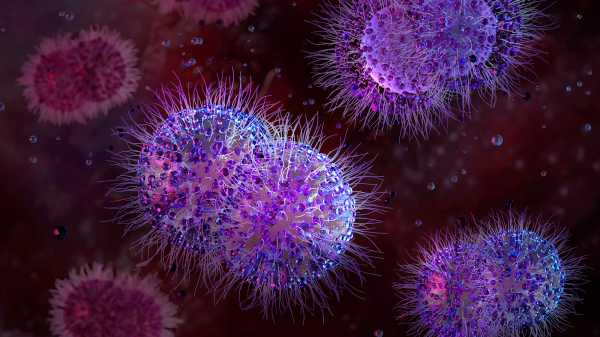
Antibiotic resistance is escalating among the bacteria responsible for gonorrhea. Novel antibiotics might offer a solution for strains that are difficult to treat. (Image credit: RUSLANAS BARANAUSKAS/SCIENCE PHOTO LIBRARY via Getty Images)
- Facebook
- X
- Reddit
- Pinterest
- Flipboard
Share this article 0Join the conversationFollow usAdd us as a preferred source on GoogleSubscribe to our newsletter
With the assistance of artificial intelligence, researchers have identified a potential new antimicrobial agent for treating gonorrhea, a sexually transmitted bacterial infection exhibiting increasing resistance to existing drugs. This newly discovered agent has demonstrated effectiveness in laboratory tests using a “vagina on a chip” model, according to a recent study.
“There is a critical need to address the escalating antibiotic resistance in gonorrhea, and the development of new antimicrobial compounds is a primary strategy,” stated Dr. Jeffrey Klausner, a clinical professor at the University of Southern California, who was not involved in the research. “It’s encouraging to witness the application of AI in this vital area of public health.”
Annually, more than half a million individuals in the United States contract gonorrhea, an infection that manifests with symptoms such as discomfort and fluid discharge. In severe instances, untreated gonorrhea can result in sterility. If contracted during gestation, the infection can pose risks of premature birth and miscarriage, and if transmitted to newborns, it can potentially lead to sepsis or neonatal blindness if not addressed promptly.
The bacteria responsible for gonorrhea, known as Neisseria gonorrhoeae, frequently possess genetic alterations that confer resistance to one or more antimicrobial drugs, thereby limiting therapeutic alternatives. The commonly employed antibiotic ceftriaxone remains the standard treatment, but global resistance to this medication is rapidly increasing. Currently, only 0.1% of cases in the U.S. exhibit resistance, but rates reach as high as 10% in certain Chinese provinces and 27% in Hanoi, Vietnam.
Researchers are actively seeking novel antimicrobial agents to combat drug-resistant pathogens. To discover new drugs, they typically screen extensive collections of compounds to identify those capable of eradicating the bacteria. However, these experimental procedures are time-consuming and fail to keep pace with the emergence of new resistant strains.
Therefore, in a study published on June 17 in the journal Science Translational Medicine, investigators instead utilized AI to efficiently examine a multitude of potential antibiotic candidates. They trained AI models to recognize promising antimicrobial agents by analyzing patterns in the chemical characteristics of 1,755 commercially available drugs that either successfully treat or fail to treat gonorrhea strains susceptible to existing drugs.
Subsequently, they applied their trained models to a distinct dataset comprising approximately 6 million compounds, identifying 213 potential candidates. They refined this list through an elimination process, initially by discarding compounds too similar to established medications in computational simulations. Such drugs might prove ineffective against antibiotic-resistant superbugs. Next, through laboratory testing, they removed compounds that lacked sufficient potency against gonorrhea or exhibited excessive toxicity to human cells.
One of the most promising candidates to emerge was designated MP20, which the researchers then subjected to further evaluation.
Scientists frequently employ laboratory rodents for the study of new therapeutic agents, but establishing a gonorrhea infection in mice presents challenges. This is due to the bacteria’s high degree of adaptation to humans, as explained by study co-author Dr. Melis Anahtar, a physician-scientist at Massachusetts General Hospital, in an interview with Live Science. (She is also listed as a co-inventor on a provisional patent for MP20.)
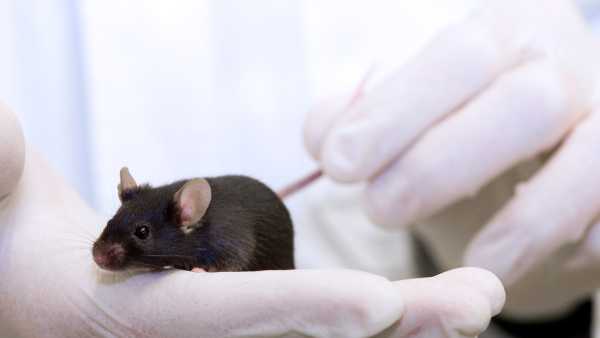
It can be difficult to establish a gonorrhea infection in mice.
(Image credit: dra_schwartz via Getty Images)
Furthermore, “there is a significant push, particularly within the U.S. administration, to transition away from animal models and adopt more human-organ-mimicking systems” for drug testing, she added. (While numerous scientists are developing such in-vitro models of the human body for pharmaceutical assessment, these models are not yet universally recognized as replacements for animal testing.)
For the purpose of this investigation, the researchers evaluated MP20 utilizing a vagina-on-a-chip apparatus. This compact device incorporates a cellular layer that replicates the vaginal lining and a layer of fibroblast cells, which are located deeper within the tissue. These layers are linked to a nutrient-infused flow channel designed to simulate the circulatory system.
The researchers introduced gonorrhea bacteria onto the chip’s primary layer, simulating the mode of sexual transmission for the pathogen. Subsequently, they administered MP20 through the flow channel, mimicking systemic drug delivery, to ascertain whether the antimicrobial agent could permeate these various tissues and reach the infectious agent.
“It was able to successfully traverse all the epithelial barriers and concentrate at a level sufficient to eliminate the gonorrhea,” Anahtar stated. MP20 performed comparably to the established drug ceftriaxone; no bacterial presence was detected following treatment with either agent.
Related stories
- An antimicrobial compound found incidentally may treat severe infections, according to an initial study
- Metallic compounds identified as potential new antimicrobials, thanks to automated chemical synthesis
- AI could pinpoint the next drug to combat superbugs
Additional research is necessary before MP20 can potentially be made available to patients. “You must demonstrate that these chemical compounds are safe and will not cause any hepatic, renal toxicity or severe adverse effects in humans,” Klausner commented.
He further noted that an antimicrobial’s efficacy is contingent upon the anatomical location of the infection. Consequently, the researchers must ascertain how effectively their compounds, when administered systemically, can reach the penis, rectum, throat, and vagina to treat gonorrhea at any of these sites.
Anahtar believes that AI models will play a crucial role in the pursuit of new therapeutic agents, especially given the current capacity of chemists to synthesize a broader spectrum of compounds than ever before. “In 2012, I believe there were one million compounds available for purchase from commercial suppliers, and now that number exceeds 70 billion,” she observed. Her objective is to enhance and expand her models to process an even greater volume of compounds concurrently.