

Virtual tours have become a standard tool across real estate, hospitality, architecture, and commercial spaces. What started as a niche technology is now a key part of how properties, locations, and interiors are presented online.
Modern buyers and clients expect more than static photos. They want to explore spaces remotely, understand layouts, and feel the atmosphere before making decisions.
The evolution of virtual tour platforms
Early virtual tour solutions focused mainly on basic panorama viewing. Over time, platforms began adding interactive navigation, hotspots, maps, and branding options.
Today, the market includes well-known platforms such as Matterport, Kuula, and CloudPano.
Each solution serves a different audience — from hobby users to large enterprises — but many professionals still face common challenges: limited customization, subscription lock-in, and dependence on closed ecosystems.
What professionals are looking for today
As virtual tours move from novelty to necessity, expectations are changing. More creators now look for platforms that offer:
- White label delivery for client projects
- Support for high-resolution panoramas
- Flexible navigation and interface customization
- Compatibility with different devices
- Long-term ownership of created content
These requirements are especially relevant for agencies, developers, and businesses producing tours at scale.
Ownership and flexibility as key trends
One of the strongest trends in the market is the demand for content ownership.
Professionals increasingly prefer tools that allow them to download projects, self-host tours, or change platforms without losing access to their work.
This shift reflects a broader movement away from vendor lock-in toward more flexible, creator-first platforms.
A modern approach to virtual tour creation
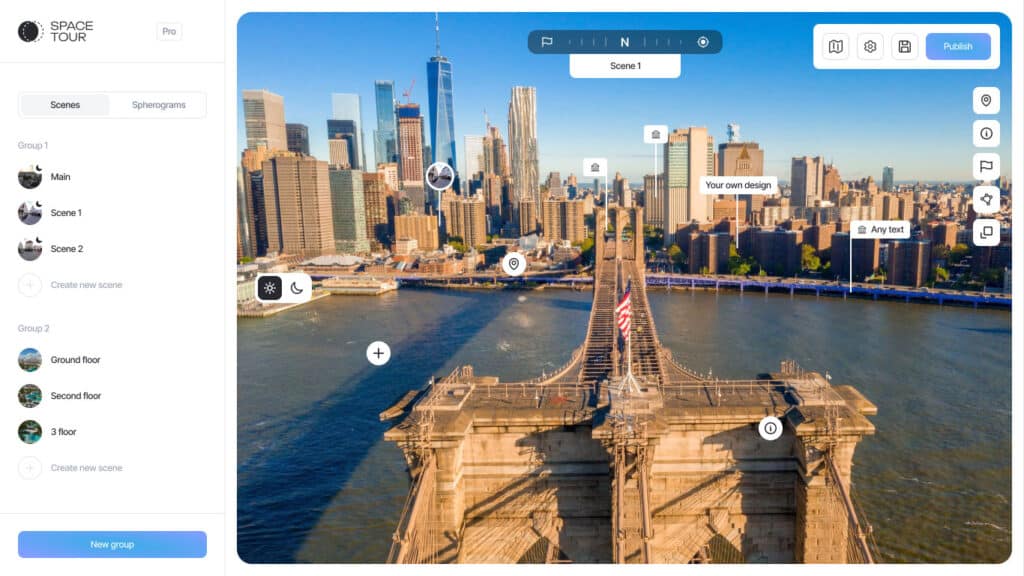
Newer platforms such as Space Tour represent this change in mindset. Instead of focusing solely on hosting subscriptions, they emphasize flexibility, white label delivery, high-resolution support, and browser-based workflows that work across desktop and mobile devices.
This approach allows creators to build tours for real-world business needs rather than adapting their projects to platform limitations.
The future of virtual tours
As demand continues to grow, virtual tours are expected to become even more integrated into sales, marketing, and remote collaboration. Platforms that prioritize customization, quality, and ownership are likely to shape the next phase of the industry.
For professionals working with spaces — whether physical or digital — choosing the right tools will increasingly mean choosing flexibility over lock-in.