

in OpinionMEMBER EXCLUSIVE
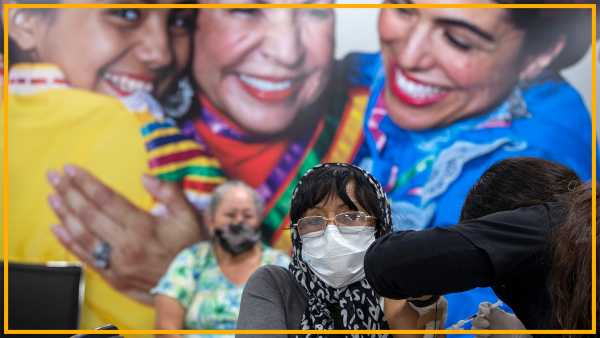
Irene Michel, right, gives Alma Chavez, 51, left, a COVID-19 vaccination booster at a community resource center in Los Angeles. Research shows that health outcomes vary with many structural factors, like income and ethnicity, but medical schools are poised to do away with the requirement that students learn how to address those disparities.(Image credit: Francine Orr via Getty Images)Share this article 0Join the conversationFollow usAdd us as a preferred source on GoogleSubscribe to our newsletter
Humans are not isolated, interchangeable biological machines. We seek medical care carrying complicated backstories, life experiences, and cultural perspectives that shape how we experience illness, communicate pain, and respond to treatment.
For decades, medicine ignored this fact and the cost fell heaviest on patients from marginalized groups. Study after study has documented the result: stark disparities in health outcomes that track closely with race, income, zip code, and immigration status.

Naa Asheley Ashitey