

Animal handlers involved in The Hobbit trilogy alleged that up to 27 creatures perished on a New Zealand ranch used to house livestock during filming, with the production firm verifying some deaths and asserting that they improved living conditions. Share Article Share Article Facebook X LinkedIn Reddit Bluesky Email Copy Link Link copied Bookmark

Add us as preferred source Comments
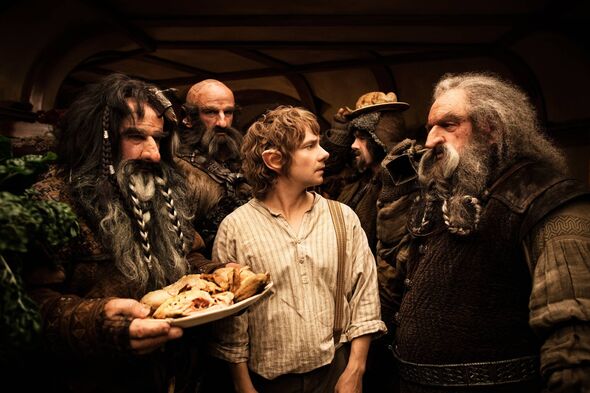
Approximately 27 animals, among them a sweet miniature horse called Rainbow, unfortunately died on a “death trap” property used for keeping livestock during the making of The Hobbit.
Film set workers working on the trilogy stated that the production company bore responsibility for the fatalities in the lead up to the movie’s debut in 2012.
Article continues below ADVERTISEMENT
The company behind the movies maintains that they took action quickly after the deaths of two horses and stated that director Peter Jackson even adopted three of the pigs utilized after filming wrapped.
The animal team put the blame for the substantial loss of life on the dangerous circumstances at the New Zealand location where the animals were boarded. These risks encompassed sharp declines, holes and broken fencing, according to the Mirror.
Animal specialist Chris Langridge, who began as a horse trainer in November 2010 overseeing roughly 50 horses, was immediately disturbed that the site contained numerous “death traps.”, reports the Mirror.
Article continues below ADVERTISEMENT
The initial casualty was little Rainbow. “When I came to the site in the morning, the pony was still alive but its spine was broken. It had gone off a hill at pace and landed badly,” Langridge recalled.
Article continues below ADVERTISEMENT
READ MORE: Woman left cat flap open and is baffled mysterious animal footprints in her home
READ MORE: Couple hear scratching in their walls and are in awe by what they discover
“He was in a critical condition.”
Rainbow, who was intended to be a hobbit horse, had to be euthanized.
Langridge described attempts to fill in certain holes, formed by underground water flows, and even provided his own fencing to distance the horses from the most perilous spots. Ultimately, he felt, it was an overwhelming undertaking.
The production firm conceded at the time that they knew of the animal deaths, but underlined that some stemmed from natural causes.
A representative also gave assurances that on learning of the issues, they put in place procedures to avert further occurrences. He remembered seeing horses galloping at speeds nearing 30mph and needing level ground for housing: “It’s just common sense.”
A week afterward, a horse called Doofus became caught in fencing and badly harmed its leg. Although the horse pulled through, Langridge decided he’d had enough and resigned from his position.
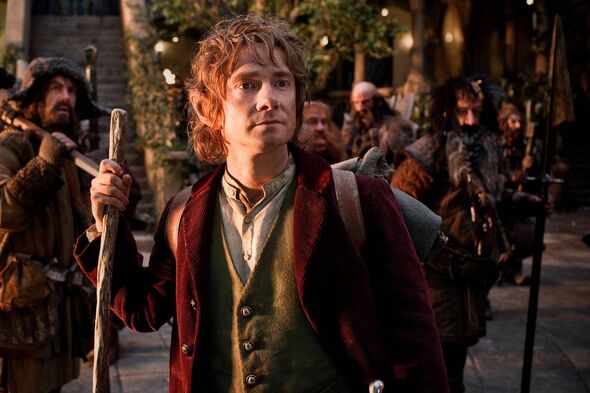
After he departed from the production, handler Johnny Smythe reported that a horse named Claire was located deceased, its head in a stream after it had fallen over a drop. After this event, he commented, the horses were moved to stables, where another horse also died.
Smythe stated no post-mortem examination was carried out on the horse, called Zeppelin. Vet records indicate the horse died of natural causes, because of a ruptured blood vessel, but Smythe stated the horse was swollen and its bowels were packed with a yellow fluid; he suspects it died from intestinal problems triggered by a change in food.
Smythe clarified that the six goats and six sheep in his care perished after falling into holes, catching worms or being given new food once the grass was depleted.
He mentioned the chickens were regularly left outside their coop and a dozen were killed by canines on two independent occasions.
Smythe revealed he was dismissed in October 2011 after disagreements with his boss regarding the animals’ well-being. The American Humane Association, responsible for observing animal safety during filming, insists no animals were harmed during the actual filming in New Zealand.
However, it also recognised the animal workers’ accounts and inadequacies in its monitoring system, which inspects filming locations but not the places where animals were boarded and prepared.
Don’t miss: Vet shares 2 dog breeds that are ‘most likely to bite you’
Don’t miss: Horror as starving teenage siblings kept in cages for months by adoptive mother
A representative for trilogy director Peter Jackson verified that horses, goats, chickens and one sheep died at the farm close to Wellington where about 150 animals were housed for the films, although he pointed out that some deaths resulted from natural causes.
The representative, Matt Dravitzki, stated the deaths of two horses were preventable, and noted that the production firm acted promptly to improve environments following their passing.
Langridge and his wife, Lynn, who was also employed as a handler, resigned in February 2011. The following month, they sent an email to Brigitte Yorke, the Hobbit trilogy’s unit production manager, outlining their concerns.
Chris Langridge disclosed he obliged Yorke’s request for further details but heard nothing back afterwards. Dravitzki, talking on behalf of Peter Jackson, said the production company responded quickly after the initial two horse deaths, spending hundreds of thousands of pounds on upgrading accommodation and stable facilities in early 2011.
The latest science news from the natural world, health, tech and beyond Subscribe Invalid email
We use your sign-up to provide content in ways you’ve consented to and to improve our understanding of you. This may include adverts from us and 3rd parties based on our understanding. You can unsubscribe at any time. Read our Privacy Policy

Get More of Our News on Google
Set Daily Express as a ‘Preferred Source’ to get quicker access to the news you value.

“We do know those deaths could have been prevented and we acted to ensure it didn’t reoccur,” he said.
He confirmed the company no longer hires the farm and has taken away all animals from the site. He added that Jackson personally adopted three of the pigs that appeared in the movies.