Sungrazer comet C/2026 A1 (MAPS) set to achieve peak brilliance on Saturday
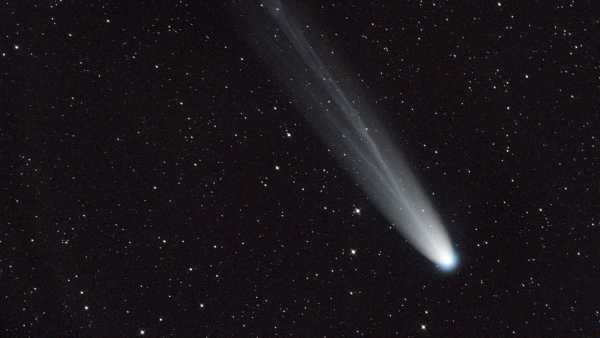
La cometa C/20

The cosmos has always been the ultimate mystery, and at Interesting News, our Space and UFO section is dedicated to exploring its furthest reaches. From the latest astronomical discoveries to the most controversial UFO sightings, we provide a comprehensive look at everything happening beyond our atmosphere. Whether you are a fan of hard science or intrigued by the unexplained, this category bridges the gap between verified space exploration and the search for extraterrestrial intelligence.
In recent years, the conversation around UFO reports has shifted from science fiction to serious governmental and scientific inquiry. We track the latest UAP sightings, military pilot testimonies, and declassified documents that shed light on mysterious objects in our skies. Our team analyzes extraordinary aerial events and provides a platform for discussing the potential implications of these encounters. By focusing on credible evidence and witness accounts, we bring clarity to a topic shrouded in secrecy.
We are currently witnessing a golden age of space travel and discovery. Our coverage includes:
NASA Missions: Updates on the James Webb Space Telescope, Mars rovers, and the Artemis moon program.
Exoplanet Discoveries: The search for habitable worlds and signs of alien life in distant star systems.
Cosmic Phenomena: Explaining black holes, supernovas, and the invisible forces of dark matter.
Commercial Spaceflight: Keeping an eye on how private companies are reshaping our access to the final frontier.
Our fascination with space mysteries stems from the fundamental human desire to know our place in the universe. Interesting News serves as your reliable source for astronomy news and updates on the search for intelligence beyond Earth. We combine high-quality imagery with expert insights to ensure that every story is as visually captivating as it is intellectually stimulating.
Join us as we monitor the skies and the deep void of space, bringing you the most incredible cosmic stories and unexplained phenomena from across the galaxy.
La cometa C/20
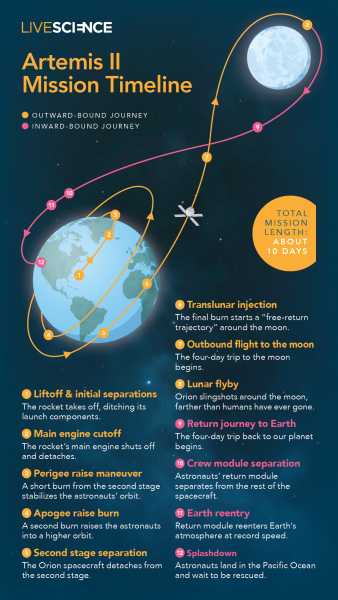
La NASA se prepara para enviar astronautas de vuelta al entorno lunar por primera vez en casi 55 años. Hemos dividido la misión de 10
El conocimiento es la clave para abrir las puertas a nuevas oportunidades. A través del aprendizaje continuo, podemos expandir nuestros horizontes y alcanzar nuestras metas. Invertir en educación es invertir en nuestro futuro, permitiéndonos adaptarnos a un mundo en constante…
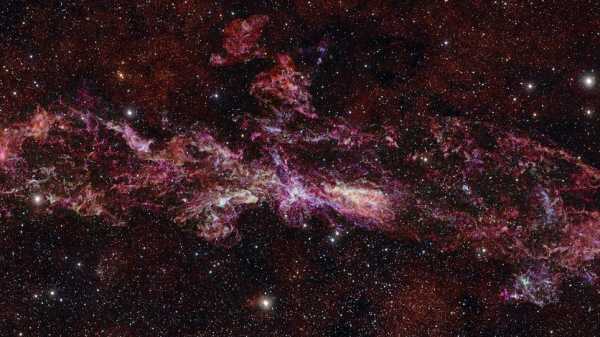
The Milky Way’s Central Molecular Zone (CMZ) encompasses the supermassive black hole located at the heart of our galaxy, and it potentially mirrors attributes observed in the dense, turbulent galaxies of the primeval universe. This constitutes the most extensive image…
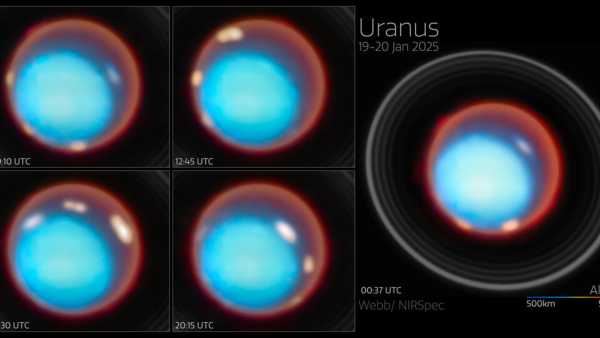
“`html JWST took notice of Uranus as it revolved for 15 hours in January 2025, revealing radiant auroral stripes (in white) close to the planet’s magnetic extremities.(Image credit: ESA/Webb, NASA, CSA, STScI, P. Tiranti, H. Melin, M. Zamani (ESA/Webb)) Duplicate…
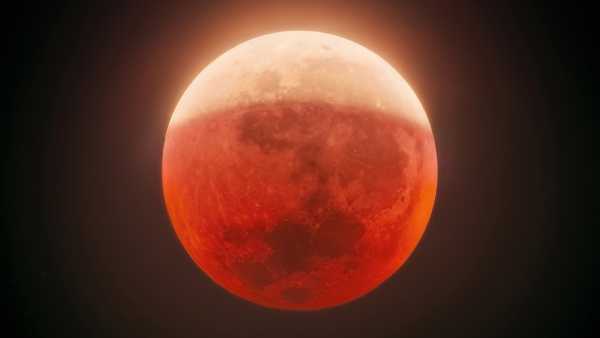
“`html The full eclipse of the moon on March 3, 2026, will be broadcasted live.(Image credit: Javier Zayas Photography via Getty Images) Copy link Facebook X Whatsapp Reddit Pinterest Flipboard Email Share this article
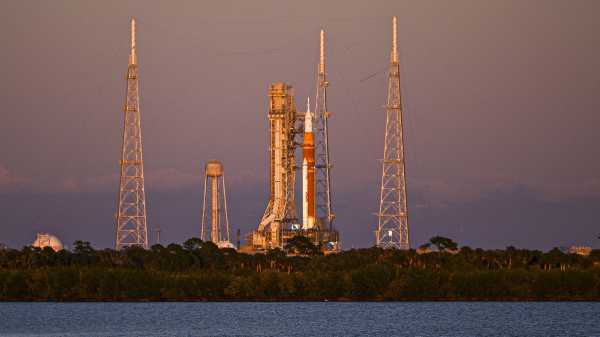
The Artemis II rocket stands located on a launchpad at Kennedy Space Center in Cape Canaveral, Florida.(Image credit: Miguel J. Rodriguez Carrillo / AFP via Getty Images) Copy link Facebook X Whatsapp Reddit Pinterest Flipboard Email Share this article
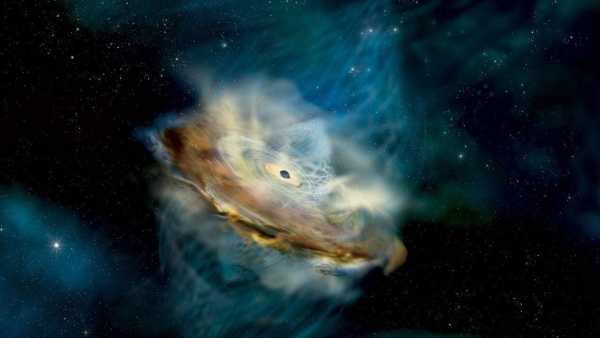
A visual representation by an artist, depicting a corona spiraling around a black hole’s accretion disk. Recent investigations have unearthed an archaic black hole, with a corona perhaps aiding in the circumvention of considerable cosmic regulations. (Image credit: NASA/Aurore Simonnet…
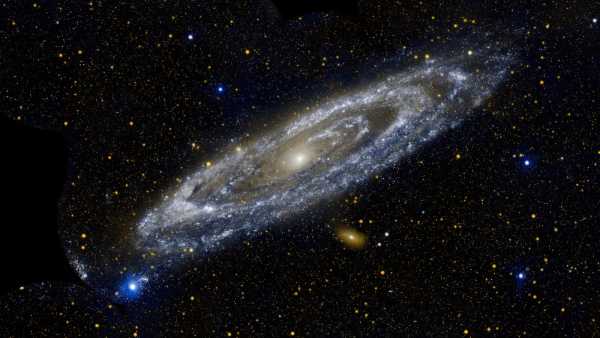
A sight of the Andromeda system, the closest large galaxy relative to our own Milky Way.(Image credit: NASA/JPL-Caltech) Share link Facebook X Whatsapp Reddit Pinterest Flipboard Email Disseminate this article
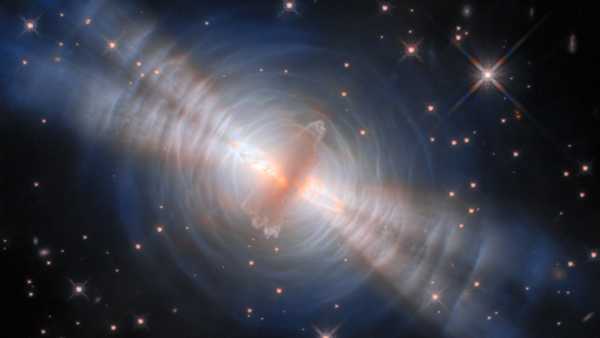
The Hubble Space Telescope’s observation of the Egg Nebula.(Image credit: ESA/Hubble & NASA, B. Balick (University of Washington)) Share link Facebook X Whatsapp Reddit Pinterest Flipboard Email Share this article
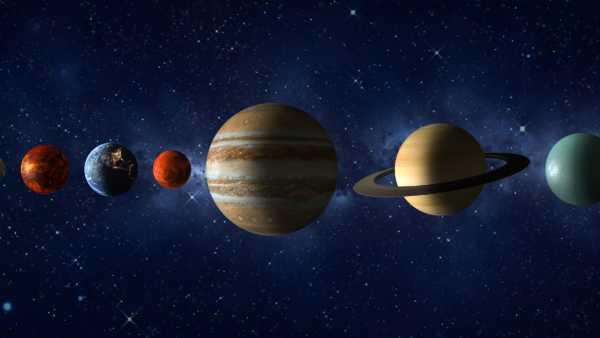
Depiction of planets in the solar system getting in line. A “planet alignment” is expected to happen during February.(Image credit: DrPixel via Getty Images) Copy link Facebook X Whatsapp Reddit Pinterest Flipboard Email Share this article
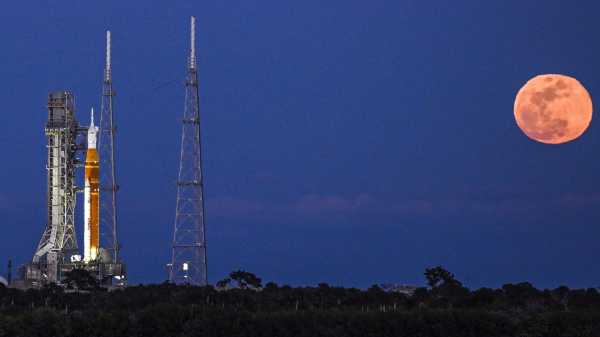
“`html The Space Launch System rocket from NASA is seen on the launch platform. The Artemis II lunar endeavor may commence as early as March 6.(Image credit: Miguel J. Rodriguez Carrillo / AFP via Getty Images) Copy link Facebook X…